
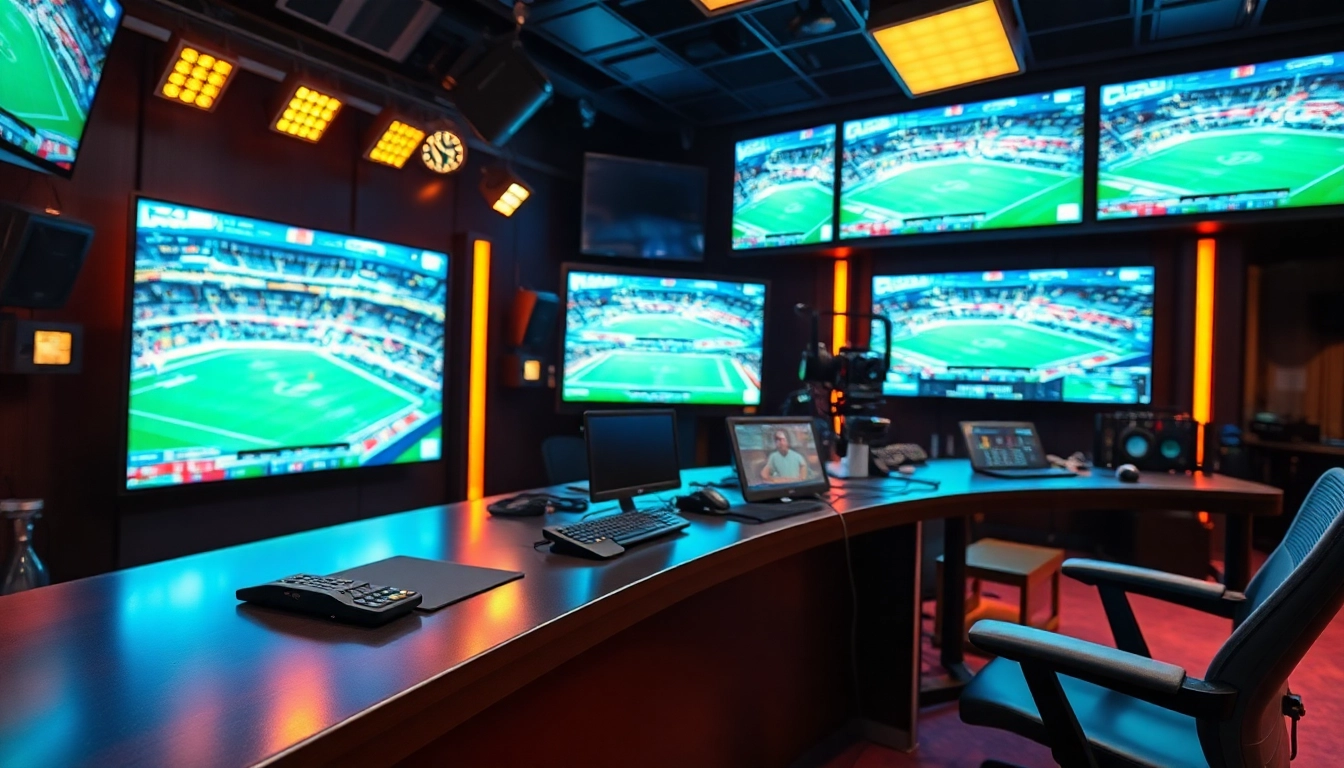
Understanding Sports Broadcasting Fundamentals
Sports Broadcasting is a pivotal aspect of the sports industry, serving as a bridge between athletes and fans, and providing an avenue for live coverage and commentary via various media platforms. Over the years, this field has dramatically evolved, shaped by technological advancements and changing audience expectations. An in-depth grasp of this evolution is essential for anyone interested in the field. This article explores the different facets of sports broadcasting, from its origins to essential skills and innovative trends, all while highlighting ways to effectively engage audiences. For a deeper dive into Sports Broadcasting, let’s start by examining its fundamental evolution.
The Evolution of Sports Broadcasting
The inception of sports broadcasting can be traced back to the early 20th century, marked by radio transmissions of sporting events. The excitement of listening to live commentary on the radio captured the public’s imagination, but it was not until the advent of television that sports broadcasting truly transformed. The first televised sports event, a baseball game in the late 1930s, laid the groundwork for an entire industry.
Fast forward to today, the broadcasting landscape has expanded exponentially. Not only are major sports leagues now broadcasted globally, but niche sports also have platforms leveraging the internet for streaming. This democratization of sports coverage has enabled smaller sports leagues and events to reach audiences that were once geographically restricted.
Key Technologies in Sports Broadcasting
Several technologies play a crucial role in sports broadcasting today:
- HD and 4K Broadcasting: High-definition broadcasting has set a new standard for quality, allowing fans to experience the games as though they are in the stadium.
- Internet Streaming: Services like Netflix and dedicated sports channels enable fans to watch games live on various devices, enhancing accessibility.
- Augmented and Virtual Reality: These technologies offer immersive experiences, allowing fans to interact with the broadcast in unprecedented ways, enhancing engagement.
- Mobile Applications: These provide real-time updates, streaming options, and interaction features that keep fans connected to their favorite sports.
The Role of Audience Engagement in Sports Broadcasting
Engagement is paramount in sports broadcasting. The contemporary sports viewer demands not just passive consumption but interactive experiences. Engagement can take various forms:
- Social Media Interaction: Broadcasters now curate content across social media platforms, enabling audiences to participate in discussions, polls, and live chats.
- Fan-Centric Content: Tailoring broadcasts to include fan reactions, features on fan stories, and using audience feedback for programming decisions enriches the viewer experience.
- Analytics and Audience Insights: Understanding audience preferences through data allows broadcasters to tailor content, effectively addressing what fans want to see and engage with.
Essential Skills for Successful Sports Broadcasting
Success in sports broadcasting demands a unique combination of skills that blend technical knowledge with effective communication. Broadcasters must continually develop these skills to keep pace with a dynamic industry.
Effective Communication Techniques
Effective communication is at the heart of sports broadcasting. Broadcasters need to convey information clearly and concisely while being engaging. Techniques to enhance communication include:
- Storytelling: A compelling narrative captivates audiences, turning a simple game into an exciting tale.
- Active Listening: Understanding fellow commentators, athletes, and audiences is key to creating meaningful dialogues.
- Voice Modulation: Varying pitch, volume, and pace can convey emotion and maintain audience interest throughout the broadcast.
Building a Unique Broadcasting Style
In a competitive landscape, establishing a unique style is essential. A broadcaster’s personality can often be the deciding factor in viewer loyalty. Considerations for developing a unique style include:
- Personal Branding: Consistency in style, language, and presentation helps build a recognizable brand.
- Adaptability: A good broadcaster must adjust their style to fit different sports, audiences, and formats, from radio to digital streaming.
- Cultural Relevance: Understanding the cultural context of the sport enhances relatability, allowing broadcasts to connect more deeply with the audience.
Leveraging Social Media in Sports Broadcasting
Social media is more than a promotional tool; it’s a platform for real-time interaction. Sports broadcasters can leverage social media by:
- Engaging Followers: Posting live updates and engaging directly with fans deepens community bonds.
- Highlighting User-Generated Content: Featuring fan reactions, highlights, and opinions fosters a two-way conversation that enhances viewer loyalty.
- Utilizing Polls and Surveys: Gauging audience opinions on key issues provides valuable insights and aids in content creation.
Best Practices for Live Sports Broadcasting
Live sports broadcasting involves a unique set of challenges. Adhering to best practices is essential for smooth operations and audience satisfaction.
Preparing for Live Coverage
Preparation is crucial in sports broadcasting. Essential steps include:
- Research: Having an in-depth knowledge of teams, players, and relevant histories can inform commentary.
- Technical Setup: Ensuring all equipment is functional, including audio and video feeds, is essential to prevent disruptions.
- Developing a Game Plan: Collaborating with the production team to outline key moments to cover helps maintain focus during the broadcast.
Managing On-Air Challenges
Unexpected challenges can arise during live broadcasts. Here’s how to handle them:
- Staying Calm Under Pressure: Maintaining composure allows for better decision-making during unexpected situations, such as technical failures.
- Improv Skills: Being able to fill time with engaging commentary or discussion during delays keeps audiences entertained.
- Collaboration with the Production Team: Building rapport with producers and directors ensures seamless communication during a broadcast.
Ensuring Broadcast Quality and Compliance
Maintaining a high-quality broadcast is non-negotiable. Key practices include:
- Regular Equipment Checks: Routine maintenance of cameras, microphones, and other equipment is essential for consistent quality.
- Adhering to Compliance Regulations: Understanding and abiding by broadcasting standards is crucial to avoid penalties and maintain credibility.
- Quality Control: Continuous monitoring of the broadcast to ensure audio and visual consistency helps maintain professionalism.
Innovative Trends in Sports Broadcasting
The sports broadcasting landscape is continually evolving, with emerging trends shaping the way fans experience their favorite sports.
Impact of Streaming Services on Sports Broadcasting
Streaming services have revolutionized sports broadcasting by offering viewers flexibility and accessibility. Key impacts include:
- On-Demand Viewing: Fans can choose when and how they watch, vastly improving viewer satisfaction.
- Global Reach: Streaming allows even niche sports and leagues to reach worldwide audiences, improving visibility.
- Subscriber Models: These create new revenue opportunities for leagues and teams, enabling better production values.
The Future of Virtual and Augmented Reality in Sports
Virtual and augmented reality technologies are set to change the sports broadcasting landscape dramatically:
- Immersive Experiences: Fan experiences enhanced by VR can transport viewers into the heart of the action, making them feel as though they are part of the sporting experience.
- Interactive Features: AR can enhance broadcasts by overlaying stats and additional information in real-time, enriching viewer understanding.
- Live Interaction: Future broadcasts may integrate VR environments where fans can interact with each other during live events.
Embracing Data Analytics in Sports Broadcasting
Data analytics is increasingly vital in enhancing viewer engagement and broadcasting strategies. Here’s how data can be used effectively:
- Audience Insights: Analyzing viewership data helps broadcasters tailor content, making broadcasts more relevant to their audience.
- Real-Time Analytics: Providing real-time statistics during broadcasts captivates audiences and enhances analysis aspects.
- Performance Metrics: Utilizing analytics allows broadcasters to measure the effectiveness of their broadcasts and refine future strategies.
Measuring Success in Sports Broadcasting
Determining the success of sports broadcasts requires a comprehensive evaluation of various performance metrics.
Key Performance Indicators to Monitor
Essential performance indicators include:
- Viewer Ratings: Monitoring audience numbers during broadcasts provides insights into what content resonates with fans.
- Engagement Rates: Evaluating social media interaction and audience participation metrics can indicate overall viewer satisfaction.
- Revenue Generation: Tracking ad revenues, sponsorships, and merchandise sales helps gauge the financial health of broadcasts.
Gathering Audience Feedback
Understanding audience preferences is critical for continuous improvement. Techniques include:
- Surveys and Polls: Conducting surveys post-broadcast can provide direct insights into what fans liked and what they would like to see improved.
- Social Media Monitoring: Analyzing comments on social media platforms can reveal audience sentiment and engagement levels.
- Focus Groups: Engaging with target demographics in discussion groups can yield qualitative insights into audience expectations.
Adapting Strategies for Continuous Improvement
Broadcasting is a dynamic field, and adapting strategies based on feedback and analytics is essential:
- Regular Review Meetings: Schedule regular evaluations of broadcast performance with teams to identify strengths and weaknesses.
- Flexibility: Be willing to adjust content, broadcasting styles, and technology use according to audience feedback.
- Continuous Learning: Keeping abreast of innovations and trends allows broadcasters to evolve with changing audience expectations.
Frequently Asked Questions
What is Sports Broadcasting?
Sports Broadcasting refers to the live coverage and commentary of sporting events through various media platforms, including television, radio, and online streaming services.
What skills are essential for a sports broadcaster?
Essential skills include effective communication, a deep understanding of sports, the ability to engage with audiences, and presence under pressure during live events.
How do technology trends affect Sports Broadcasting?
Emerging technologies like streaming services, VR, and data analytics enhance viewer experiences, allowing for interactive and personalized broadcasts of sports events.
What challenges do sports broadcasters face?
Challenges include managing live event unpredictability, addressing technical issues, and ensuring high viewer engagement across different platforms.
How can audience engagement be measured in Sports Broadcasting?
Engagement can be measured through viewer ratings, social media interactions, online comments, and audience surveys, helping to refine broadcasting strategies.