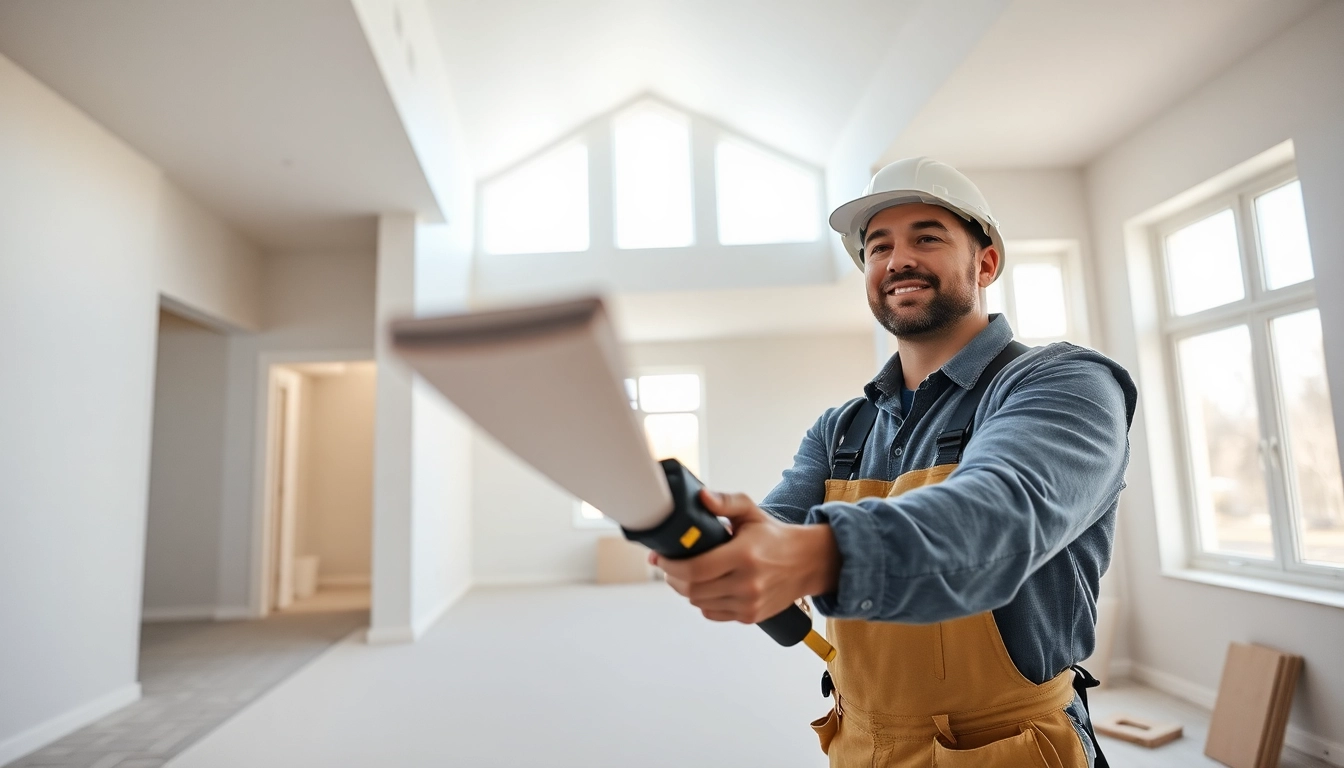
Understanding Different Types of Drywall
When planning a construction or renovation project, choosing the right materials is crucial, and drywall plays a vital role in interior spaces. Drywall, also known as gypsum board, comes in various types, each crafted for specific applications, durability, and functionality. Understanding these variations will help you make informed decisions that align with your particular needs.
Types of Drywall for Various Applications
There are several types of drywall available on the market, designed to provide solutions for diverse building needs. Here’s an overview:
- Standard Drywall: The most commonly used type, ideal for interior walls and ceilings.
- Moisture-Resistant Drywall: Often used in kitchens and bathrooms where humidity is a concern. This type can resist mold growth.
- Fire-Resistant Drywall: Designed with a special core to help slow the spread of fire, suitable for garages and shared wall spaces.
- Soundproof Drywall: Manufactured to minimize sound transfer between rooms, excellent for apartments or multi-family homes.
- Flexible Drywall: Used in curved walls and ceilings due to its pliability.
Fire-Resistant and Moisture-Resistant Options
Fire-resistance and moisture-resistance are critical characteristics in specific environments. Fire-resistant drywall is made with non-combustible materials to help maintain integrity during a fire, commonly known by its Type X rating. It's essential in locations where building codes require enhanced protection.
Moisture-resistant drywall, often green-tinted, features a water-resistant core and is essential in areas exposed to high humidity, such as bathrooms and basements. Using this type helps prevent the growth of mold and mildew, ultimately safeguarding the integrity and longevity of your interiors.
Selecting the Right Thickness of Drywall
The thickness of drywall can significantly impact its performance and usability. Standard options are available in 1/2 inch and 5/8 inch sizes, each serving different purposes:
- 1/2-inch Drywall: Ideal for most residential applications due to its balance of cost and effectiveness. It works well for walls and ceilings.
- 5/8-inch Drywall: Recommended for areas requiring additional durability or fire resistance, such as commercial buildings.
Choosing the correct thickness ensures better handling, finishing, and overall performance, according to the specific demands of the installation space.
Essential Tools and Materials for Drywall Projects
Embarking on a drywall project requires a toolkit that equips you for various tasks, from installation to finishing. Gathering the right tools and materials will significantly streamline the process and yield professional results.
Tools Every DIYer Needs for Drywall Installation
Here are the essential tools you should consider for your drywall project:
- Utility Knife: For scoring and cutting drywall sheets.
- Drywall T-Square: To ensure accurate measurements and straight cuts.
- Drill/Driver: A must-have for fastening drywall to studs.
- Joint Knife: Used for applying joint compound and smoothing out seams.
- Tape Measure: Essential for precise measurements.
- Drywall Lift: Helpful for handling heavy sheets overhead.
- Sanding Sponge: To polish finished seams for a smooth appearance.
Choosing Quality Drywall Materials
Opting for quality drywall materials impacts the project’s durability. When sourcing materials, look for established brands that meet safety and performance standards. Ensure that sheets are free of flaws, such as dents or warps, to minimize complications during installation.
Additionally, consider the environmental impact and seek out eco-friendly options, such as those made from recycled content or available in low-VOC formulations that contribute to better indoor air quality.
Safety Equipment and Precautions
Safety should always be a priority when working with drywall. Here’s a list of essential safety equipment:
- Safety Goggles: Protect your eyes from dust and debris.
- Dust Mask: Helps avoid inhaling fine particles during cutting and sanding.
- Hearing Protection: Consider using when operating power tools.
- Gloves: Protect your hands from sharp edges and rough surfaces.
Following proper safety protocols will help ensure a secure work environment and prevent injuries during your drywall installation project.
Step-by-Step Guide to Installing Drywall
Installing drywall might seem daunting, but with the right knowledge and preparation, you can achieve a great result. This section outlines a comprehensive guide to help you through each step of the drywall installation process.
Preparing the Space for Drywall Installation
Before hanging drywall, it’s crucial to prepare the space adequately:
- Clear the Area: Remove furniture and other obstacles.
- Inspect the Framework: Ensure that studs are level, properly spaced, and in good condition.
- Plan Your Layout: Determine the sequence in which drywall sheets will be installed to minimize waste.
Preparation helps create a favorable environment for installing drywall and reduces complications during the application.
Measuring, Cutting, and Hanging Drywall
When you begin the installation, follow these key steps:
- Measure: Accurately measure the wall height and width, accounting for any outlets or obstructions.
- Cut the Drywall: Using a utility knife and T-square, score the surface and snap it along the line for a clean cut.
- Align the Sheet: Position the drywall against the studs, ensuring the edges are flush with the corners.
- Fasten the Drywall: Use drywall screws to secure the sheet, spacing screws approximately 12 inches apart.
Finishing Techniques for a Professional Look
After the drywall is hung, you’ll want to perfect the finish:
- Apply Joint Tape: Cover seams with tape to prevent cracking.
- Add Joint Compound: Use a joint knife to smooth compound over the tape, feathering the edges.
- Sand the Surface: Once dry, sand the compound until smooth, taking care not to damage the underlying drywall.
- Prime and Paint: Apply primer to the finished drywall and then your selected paint color for a polished look.
These techniques will ensure your walls have a professional finish, enhancing the overall aesthetic of your space.
Common Challenges in Drywall Installation
Even with the best preparation, challenges can arise during drywall installation. Here are common issues you may encounter, along with strategies to overcome them.
Dealing with Imperfections and Mistakes
One of the most frequent concerns is imperfections such as dents or uneven seams. If you notice issues:
- Functional Approach: Use joint compound to fill in imperfections, sand down, and repeat until the surfaces blend seamlessly.
- Adjustments: If panels are not flush, consider shimming or adding a slight layer of compound to level them out.
Addressing these imperfections during the finishing stage will lead to a more visually appealing finish.
Adapting to Unique Room Shapes and Sizes
Bathrooms, kitchens, and attics can often present unique challenges due to their shapes. For irregular spaces:
- Custom Cuts: Measure and mark your cuts carefully, adapting drywall sheets as necessary.
- Shims: Use wall shims to help anchor joints in non-standard spaces, ensuring stability.
Flexibility and meticulous planning are vital for accommodating unique shapes.
Ensuring Proper Drywall Joint Treatment
Seam treatment ultimately influences the visual integrity of your drywall installation. Failure to properly address joints can lead to visible lines and cracks:
- Layering Compound: Ensure multiple thin coats of joint compound are applied for a smooth finish.
- Joint Tape Alignment: Take care to align tape correctly, preventing bubbling or lifting after application.
Taking the time to do it right ensures long-lasting results.
Maintenance and Repair of Drywall
Even the best installations require maintenance over time. Damage from moisture, impact, or regular wear and tear is common. Let’s explore how to maintain and repair drywall efficiently.
Identifying Common Damage to Drywall
Understanding how to identify common types of damage can aid in prompt repairs:
- Water Stains: Indicate possible leaks that need to be addressed.
- Cracks: Can signify settling or movement. Pay attention to larger, more severe cracks.
- Holes: Usually a result of impact. Addressing small to medium holes is key to maintaining aesthetics.
Inspection helps prevent larger problems from developing and keeps your walls looking great.
Repairing Small Holes and Cracks Efficiently
Repairs for minor damage can be accomplished with relatively simple steps:
- Small Holes: Apply a patching compound using a putty knife, feathering it out to blend with the surrounding wall.
- Cracks: Widen the crack slightly, then fill it with joint compound, ensuring a smooth transition.
Regular maintenance and prompt repairs can extend the life of your drywall.
When to Replace Drywall Completely
In some cases, replacing drywall may be necessary:
- Extensive Water Damage: If the wall has been compromised and remains damp, replacement is often the better course of action.
- Severe Structural Damage: Walls that have been damaged beyond repair due to impact or age may need complete replacement.
Ultimately, a thorough assessment will guide whether to repair or replace, ensuring your space remains safe and visually appealing.
Frequently Asked Questions
What is the best type of drywall for bathrooms?
Moisture-resistant drywall is best for bathrooms as it can withstand humidity and prevent mold growth.
How do I cut drywall quickly?
Use a utility knife and T-square to score the surface and snap the sheet along the scored line for rapid cuts.
Can I paint drywall immediately after installation?
It's advisable to let the joint compound dry and sand it smooth before painting to ensure a better finish.
How do I repair large holes in drywall?
For large holes, use a patch kit or cut a piece of drywall to fit, securing it with screws, and then taping and mudding the seams.
What safety precautions should I take while installing drywall?
Always wear safety goggles, a dust mask, and gloves, and ensure adequate ventilation while working with drywall to avoid health risks.